
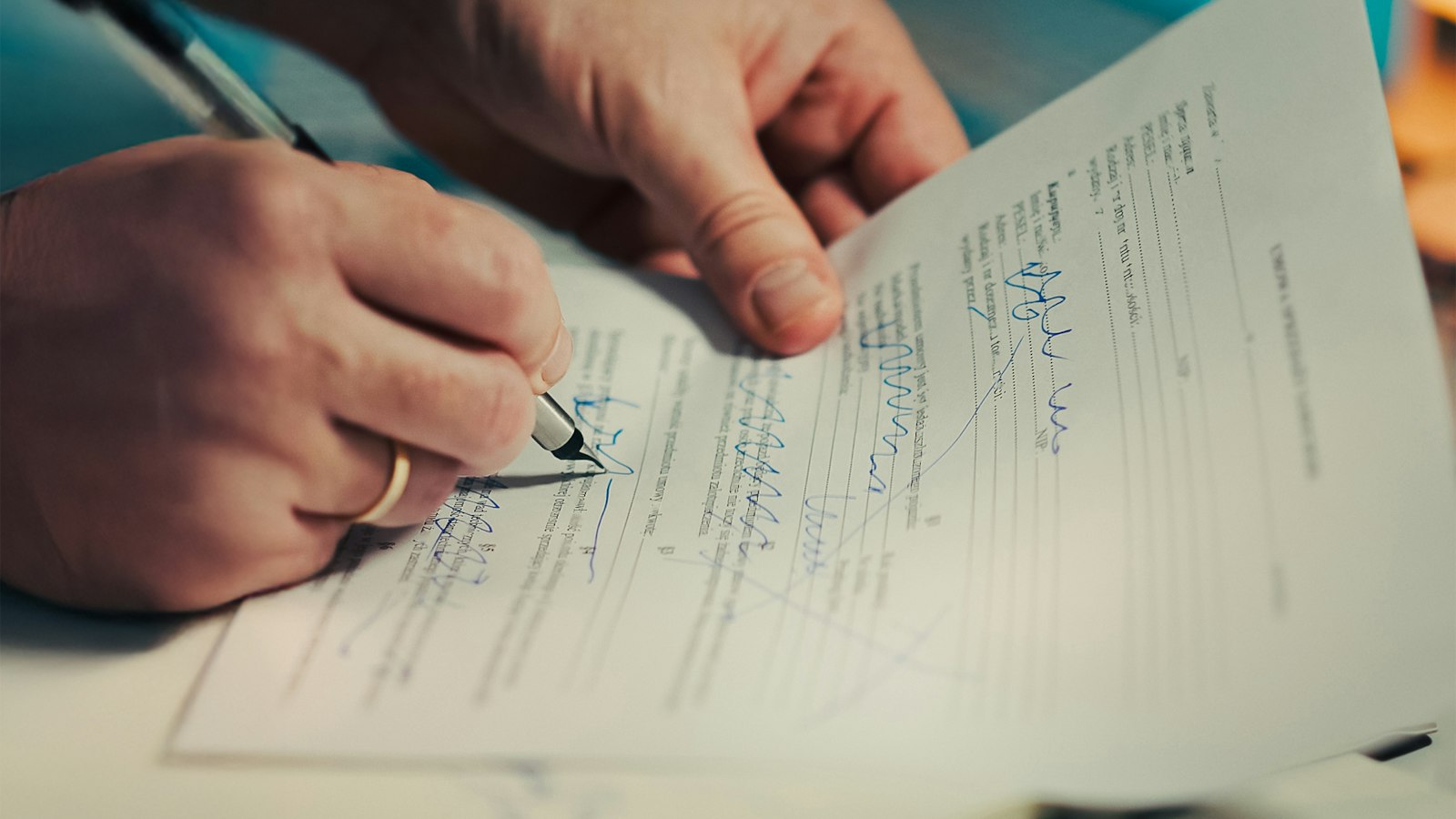
Seller financing means the seller of a business lends part of the purchase price to the buyer. Instead of getting all cash at closing, the seller takes a promissory note and gets paid over time, with interest. It can close a deal a bank won’t fully fund. However, it also makes the seller a lender, so the note, the security, and the fine print matter as much as the price.
Many sales of privately held companies include some seller paper. Sometimes it’s a small note sitting behind an SBA loan. Sometimes the seller carries most of the price. At AEGIS Law, we represent sellers and buyers in these deals and draft the notes, security agreements, and guaranties that hold them together. This article explains how a seller note works, why sellers agree to one, what can go wrong, and how to protect yourself.
How does seller financing work in a business sale?
The structure is simple. The buyer pays part of the price at closing, from its own cash, a bank loan, or both. The seller accepts a promissory note for the rest. The note sets the principal, the interest rate, the payment schedule, and what counts as a default. A security agreement usually gives the seller a lien on the business assets. Personal guaranties from the buyer’s owners often back it up.
A seller note rarely stands alone. In a typical lower middle market deal, a bank or SBA lender funds most of the price. The seller note fills the gap between what the lender will lend and what the buyer can put down. As a result, the seller usually signs a subordination agreement with the senior lender. That agreement controls when the seller can be paid and what it can do if the buyer defaults.
Buyers like seller paper for another reason too. It shows the seller believes in the business. If the seller is willing to be paid out of future cash flow, the buyer and the bank take more comfort that the cash flow is real.
Why do sellers agree to carry a note?
The main reason is to get the deal done. A seller who insists on all cash may find fewer buyers and a lower price. Offering a note widens the buyer pool, especially for smaller companies where most buyers rely on bank or SBA financing. It can also let a seller choose a preferred buyer, such as a key employee or management team, who couldn’t raise all the cash.
There’s money in it, too. The seller earns interest on the unpaid balance. In addition, a properly structured sale paid over time may let the seller report part of the gain as payments come in rather than all at closing. That’s a question for your tax advisor, because the rules depend on the type of assets sold. Finally, seller paper can bridge a price gap. A seller who wants a higher number may accept part of it as a note, alongside an earnout or a consulting agreement.
If you’re selling with an SBA-backed buyer, know the current rules. The SBA’s SOP 50 10 8.1 took effect October 1, 2026, for loans numbered on or after that date. Buyers in a change of ownership still need an equity injection of at least 10% of the project cost. A seller note on full standby, meaning no principal or interest payments for the life of the SBA loan, can count toward that injection. However, standby seller debt and similar limited sources can cover no more than half of the required injection.
What are the risks of carrying a note for the seller?
The biggest risk is that the buyer stops paying. You no longer control the business, but your money depends on how well someone else runs it. If the company struggles, the senior lender gets paid first. A subordinated seller may have to wait, sometimes for years, before it can enforce anything. For a sense of how lenders behave when a borrower slips, see what happens after a lender declares default.
There are quieter risks as well. Your sale proceeds are tied up and illiquid until the note is paid. A long term with a low fixed rate loses value to inflation. Meanwhile, if you have to take the business back after a default, it may be worth far less than when you sold it. Customers and staff may have left, and new debts may be on the books.
Buyers face risks too. A seller note often includes a right of offset, which lets the buyer reduce payments if the seller breaches the purchase agreement. Sellers should know that clause is coming and negotiate its limits. For example, they can require written notice, a cap, or a final ruling before any offset.
How can a seller protect a seller financing deal?
Start with real skin in the game. A meaningful down payment from the buyer reduces your exposure and aligns incentives. Keep the term as short as the cash flow allows, and set an interest rate that reflects the risk. Below-market interest can also cause tax issues, so set the rate with your accountant.
Next, take security and perfect it. The security agreement should describe the collateral, such as equipment, inventory, receivables, and intellectual property. Then file a UCC-1 financing statement, usually with the Secretary of State in the state where the buyer entity was formed. For a Missouri or Illinois LLC, that’s the Missouri or Illinois Secretary of State. In addition, ask for personal guaranties from the buyer’s owners and, where possible, a pledge of their ownership interests.
Finally, build in visibility and control. Require regular financial statements. Add covenants that limit new debt, large distributions, and major asset sales while the note is outstanding. Include an acceleration clause so the whole balance comes due on default or on a later sale of the business. If there is a senior lender, negotiate the subordination agreement carefully, because it will decide what those rights are worth. Our guide to structuring earnouts covers a related way to share risk on price.
Frequently asked questions
How large is a typical seller note in a small business sale?
It varies widely by deal and by lender. In bank or SBA-financed deals, seller notes often cover a modest slice of the price. In deals without outside financing, the seller may carry much more. The right amount depends on the buyer’s cash, the business’s cash flow, and your risk tolerance.
What happens if the buyer defaults on a seller note?
Your rights come from the note, the security agreement, any guaranties, and any subordination agreement. Typically, you can accelerate the balance, sue on the note and guaranties, and enforce your lien on the collateral. A senior lender’s rights may delay or limit those steps.
Is a seller note a good idea for the buyer?
Often, yes. It reduces the cash needed at closing and keeps the seller invested in a smooth transition. However, the buyer should negotiate offset rights, reasonable covenants, and prepayment without penalty.
Talk with AEGIS Law
Seller financing is a loan, and it deserves the same care a bank would give it. AEGIS Law represents sellers and buyers in business sales, including the notes, security, and lender agreements behind them. Contact AEGIS Law to talk through the terms of your deal.
By Scott Levine
Strategic Engagement
Consult with our Managing Partner.
Ready to review your enterprise risk or legacy strategy? Schedule a direct consultation with Scott Levine using the link below.