
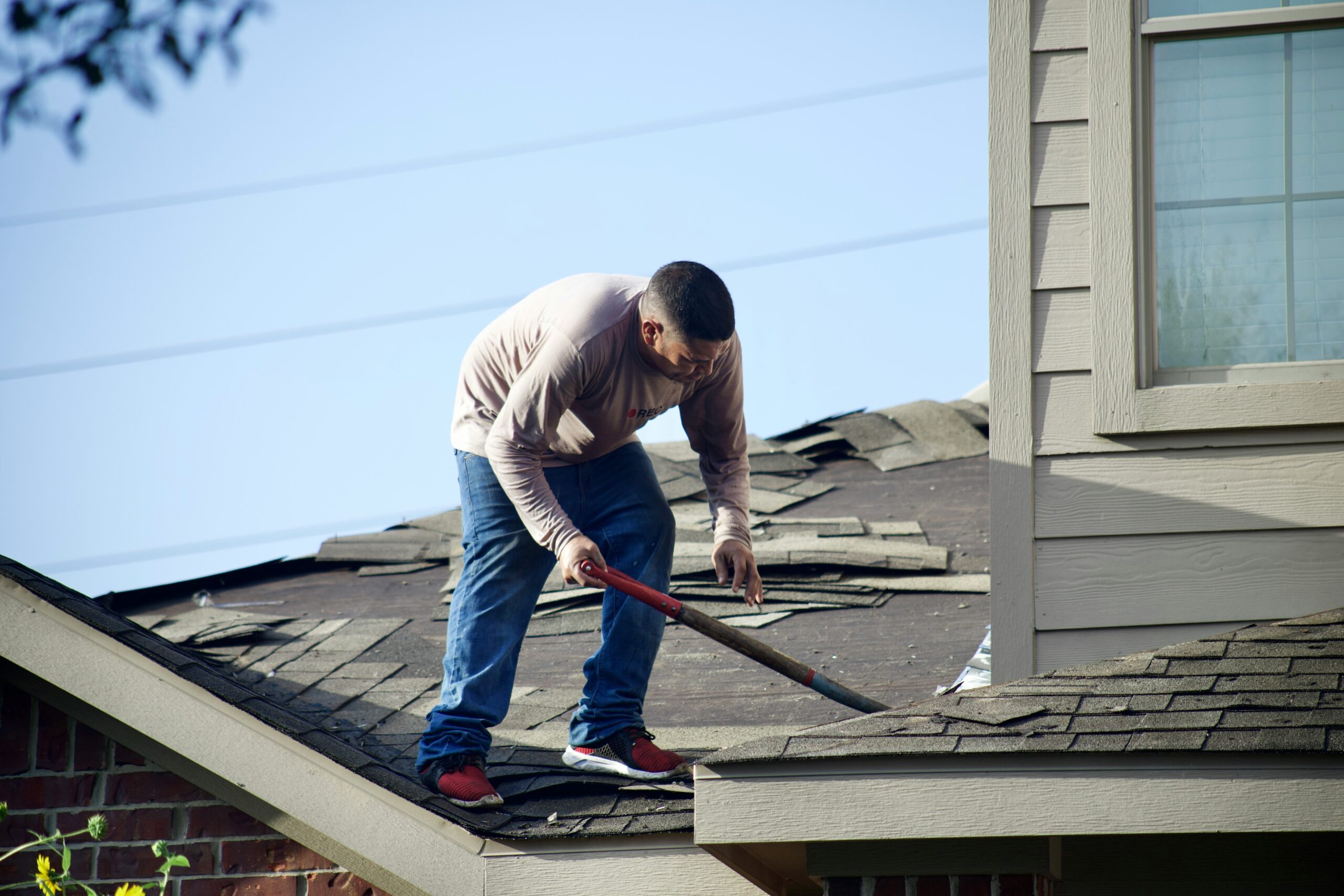
A Homeowner’s Guide to Protecting Your Claim, Your Property, and Your Peace of Mind
Storms don’t care about your schedule. They roll in at 2 a.m., during dinner, during soccer practice, and always — always — before you’ve had the chance to prepare. When the wind dies down and the sirens stop, you step outside and look up at the roof that’s supposed to protect your entire life. Maybe you see damage. Maybe you don’t. But the truth is this:
The day after the storm is the single most important day in the entire insurance claims process.
Not the claim filing.
Not the adjuster inspection.
Not the negotiation.
The day after.
This is where homeowners either strengthen their future claim… or accidentally weaken it. And after more than twenty years helping people fight storm-damage denials — roofs, gutters, plaster ceilings, historic homes, commercial buildings — I can tell you that what you do in the first 24 hours is the difference between being paid fairly and getting steamrolled by the insurance company.
So let’s walk through it.
Not from a theoretical standpoint — from a practical, lived, real-world one.
1. Step One: Walk the Property — Slowly, Intentionally, and With Your Camera Ready
You don’t need to climb on the roof. In fact, please don’t. That’s how people get hurt.
What you do need is your smartphone and a slow, steady walkthrough of your entire property:
Start with a 360° exterior walk-around
This means photographing:
- Gutters
- Downspouts
- Window frames
- Fascia boards
- Soffits
- Chimneys
- Flashing
- Skylights
- Decks and patios
- Fencing
- Detached garages
- Retaining walls
- Siding
- A/C condensers
Most homeowners take five photos.
You should take fifty.
Insurance companies argue “no visible storm damage” because they rely on homeowners providing minimal documentation. You want to overwhelm them with accuracy.
Look for signs of storm impact that homeowners often miss:
- Hail splatter marks in soft metal
- Creased shingles on steep-slope roofs
- Granule loss in gutters and downspouts
- Dents in flashing around chimneys
- Hairline cracks in clay or slate tiles
- Mangled gutter elbows
- Tree impact marks on siding
Case Example:
A homeowner in University City once told me, “I didn’t see anything wrong, so I didn’t take pictures.” The adjuster later denied the claim, saying the damage “appeared pre-existing.” When we found a neighbor’s photos that showed fresh dents in her gutters from the same storm, the insurer suddenly changed their tune.
2. Step Two: Inspect the Interior — Storm Damage Isn’t Always Immediate
Go room by room and look for:
- Fresh stains
- Water rings
- Bubbling paint
- Damp plaster
- Dripping in window wells
- Musty odors
- Warped wood flooring
Case Example:
A homeowner photographed a ceiling even though nothing was visible. A week later, staining appeared. Her timestamped photos defeated the “long-term seepage” denial.
3. Step Three: Call a Roofer or Contractor — But Choose Carefully
Look for:
- A licensed roofing contractor
- Storm-damage experience
- Drone footage capability
- Close-up photography
- A written report
- Someone who climbs safely
Avoid:
- Storm chasers
- High-pressure contracts
- “We’ll negotiate with your insurer” promises
Anecdote:
A St. Charles homeowner signed a contingency agreement without reading it and was locked in regardless of claim outcome.
4. Step Four: Capture the Damage from the Roof — Even If You Don’t Climb It
Drone images reveal:
- Bruised shingles
- Cracked tiles
- Dented ridge caps
- Compromised flashing
- Torn membranes
- Impact marks
- Lifted/shifted materials
5. Step Five: Check the Attic — One of the Most Overlooked Places
Look for:
- Wet insulation
- Drips on rafters
- Fresh wood discoloration
- Daylight through sheathing
- Damp plywood
- Torn underlayment
- Debris
6. Step Six: Talk to Your Neighbors — Their Claims Support Yours
Case Example:
A Webster Groves storm: neighbors had approvals; insurer denied one claim as “insufficient hail.” Neighbor patterns overturned the denial.
7. Step Seven: Secure the Property — Mitigate, But Don’t Repair
Mitigate:
- Tarp roof
- Board windows
- Run dehumidifiers
- Cover exposed areas
- Remove standing water
Do NOT:
- Replace shingles/gutters
- Repair flashing
- Replace insulation
- Patch drywall
8. Step Eight: Create a Digital “Storm File”
Include:
- Photos
- Videos
- Estimates
- Reports
- Weather data
- Emails
- Notes
- Receipts
- Drone footage
- Neighbor notes
9. What Not to Do
❌ Don’t file immediately without documentation
❌ Don’t rely solely on insurer’s adjuster
❌ Don’t allow unauthorized inspections
❌ Don’t wait on interior documentation
❌ Don’t discard damaged materials
10. Final Thought
Insurance companies are predictable.
Your success depends entirely on whether you take control early.
The day after the storm is the day you protect your financial future.
Strategic Engagement
Consult with our Managing Partner.
Ready to review your enterprise risk or legacy strategy? Schedule a direct consultation with Scott Levine using the link below.